Aitutaki Home › History
History of Aitutaki
From ancient Polynesian voyaging canoes to Bligh and the Bounty, flying boats, and the rise of tourism.
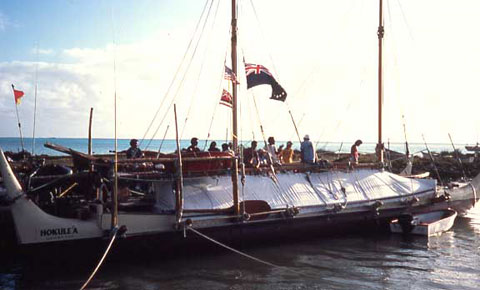
Pacific Ocean Hōkūleʻa voyaging canoe at Aitutaki
Geography
How Aitutaki formed
Aitutaki is what geologists call an “almost atoll” — an extinct volcano that has eroded and subsided almost to sea level, while the surrounding coral barrier reef kept growing upward. The result is a single high, triangular main island sitting inside its own vast lagoon, ringed by 14 low coral motu (islets) on the reef itself.
1789
Bligh and the Bounty
Aitutaki’s first recorded European contact came on 11 April 1789, when Captain William Bligh sighted the island aboard HMS Bounty — just days before the famous mutiny near Tonga. Spanish explorers may have passed through the area earlier, but Bligh’s sighting is the first written record.
Long before that, Polynesian voyagers had already been navigating to and settling Aitutaki by double-hulled ocean canoe, using the stars, swells and birds to find their way across thousands of kilometres of open Pacific — the same wayfinding tradition celebrated by the voyaging canoe Hōkūle’a, which visited the Cook Islands in 1992.

1800s
Whalers & missionaries
Through the 1800s, whaling ships called at Aitutaki to resupply, and London Missionary Society missionaries arrived and converted the island to Christianity — a legacy still visible today in the strong choir-singing tradition heard at Sunday church services across the villages.
20th century
Airbase, flying boats & tourism
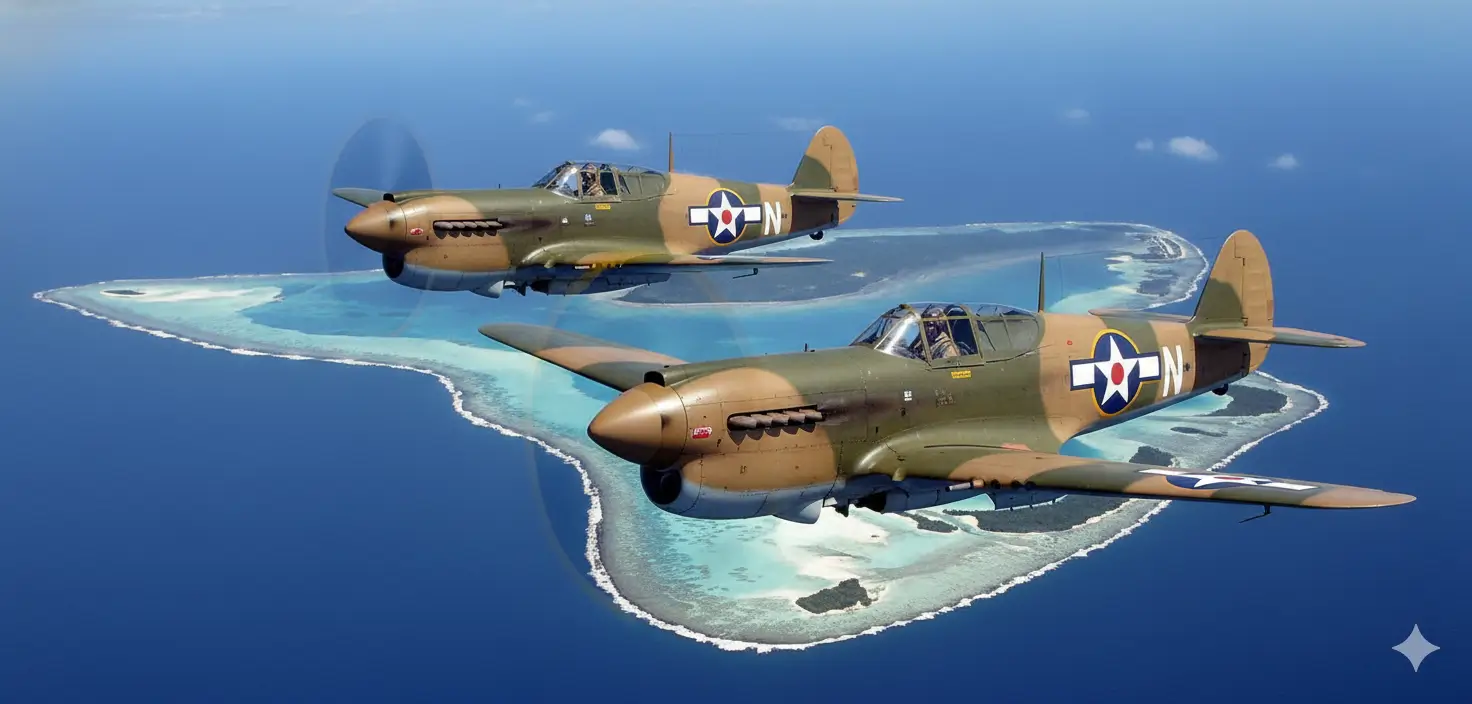
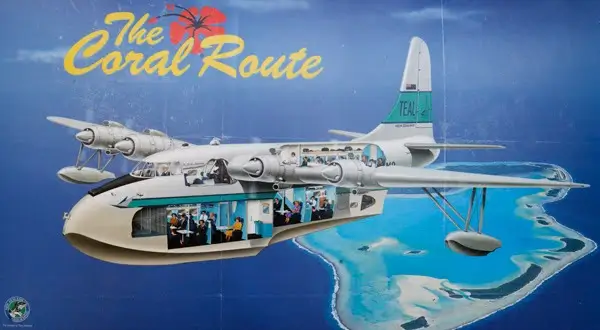
In 1942–43, during the Second World War, United States forces built Aitutaki’s airstrip as a Pacific airbase — the same sealed runway still used by Air Rarotonga today. From 1951 to 1960, TEAL (the forerunner of Air New Zealand) operated Short Solent flying boats that landed directly on the Aitutaki lagoon, refuelling trans-Pacific flights between Fiji and Tahiti.
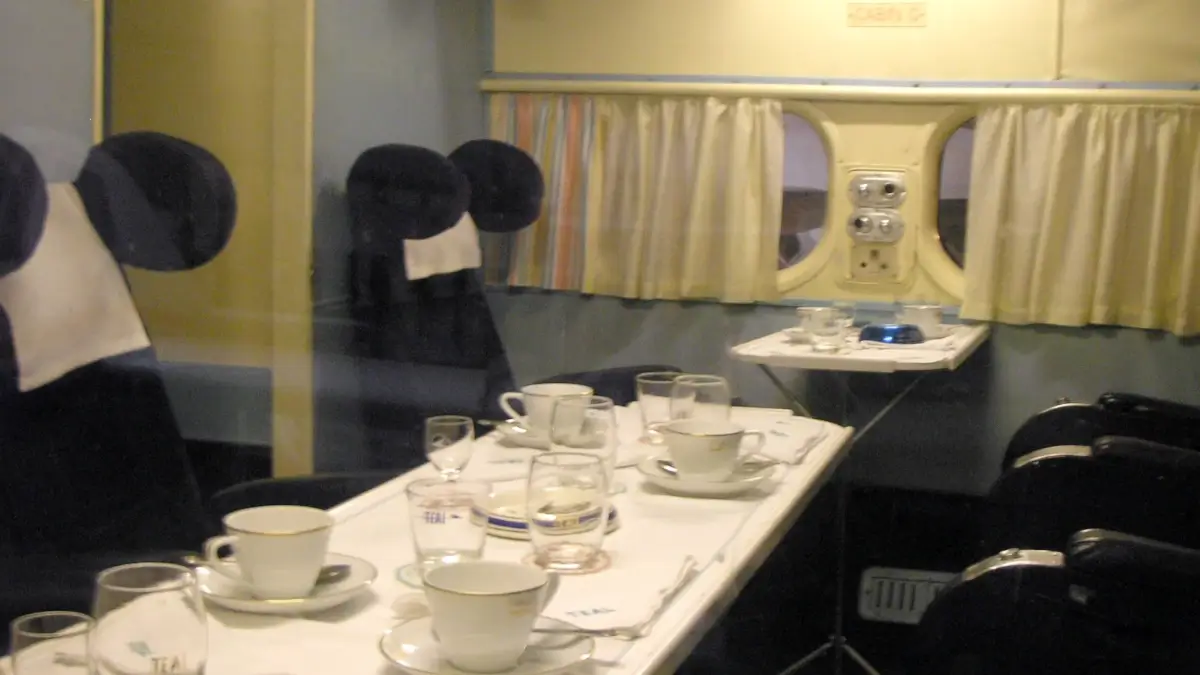
Below is a photo inside the the sea plane.
The Cook Islands moved to self-governance in free association with New Zealand in 1965. Bananas were Aitutaki’s major export industry through the mid-20th century; when that industry declined in the 1980s, tourism grew to take its place, and is now the backbone of the island’s economy.
More links
- Aitutaki HOME
- Photos of Aitutaki Lagoon
- Map of Aitutaki Cook Islands
- Accommodation Aitutaki
- Activities
- Fishing
- Villages of Aitutaki
- Cook Island Food
- Travel to Aitutaki
- World’s Best Beaches
Written by long-time Aitutaki resident Ben Grummels. Contact to correct or add to this history.